Home > showlist
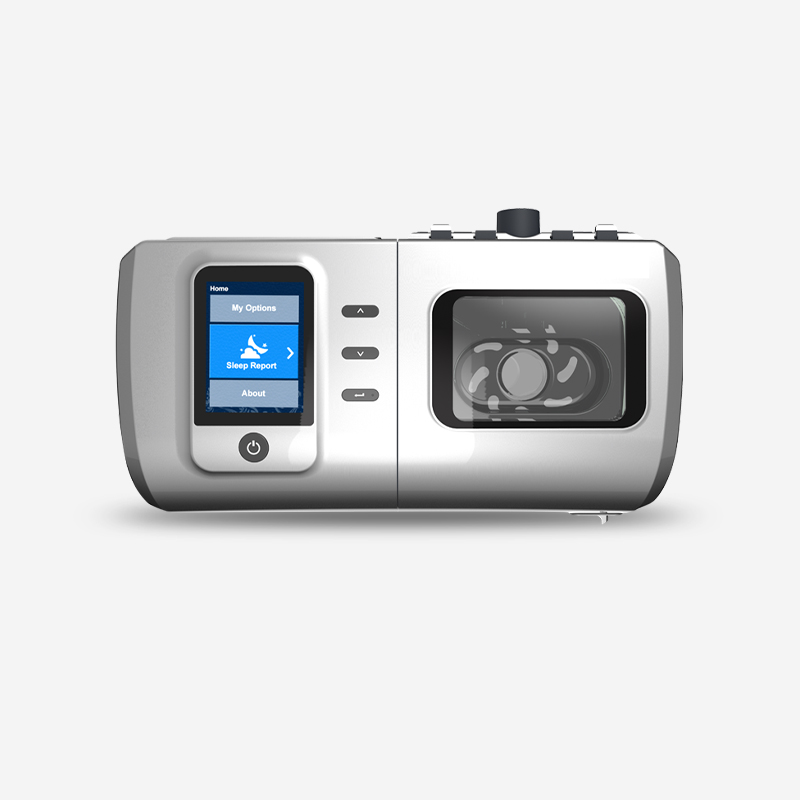
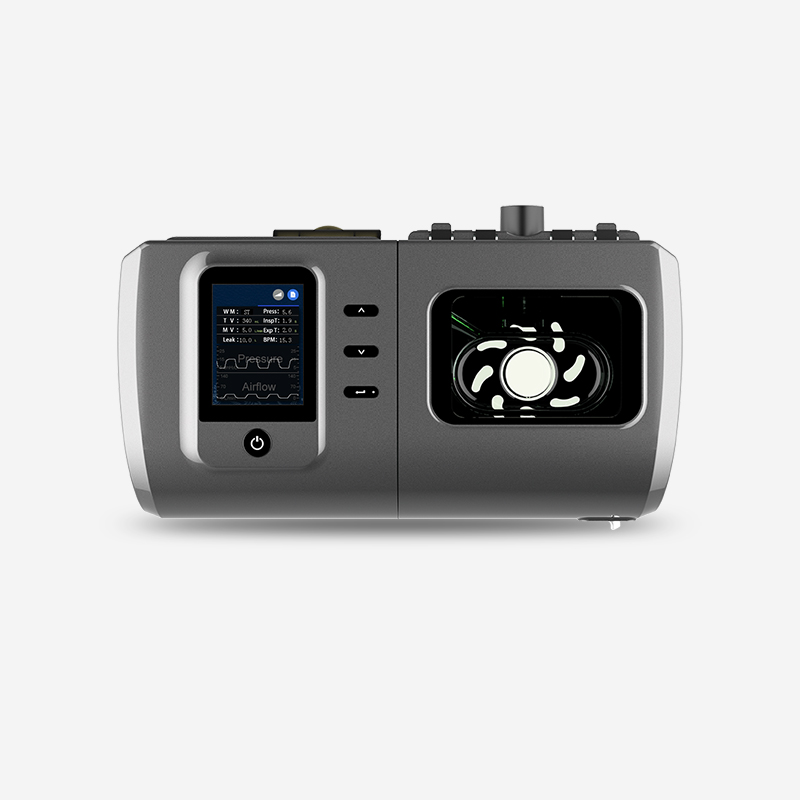
Bipap mechanical ventilation is a special type of treatment to help people breathe better if they are having difficulty breathing. This type of treatment, known as bipap mechanical ventilation, is commonly provided in hospitals for patients who are ill and who require additional respiratory support., we will look more at how bipap mechanical ventilation works and why it’s used and how people benefit from it as support for breathing. We will also delve into the correct use of bipap mechanical ventilation to ensure patients are receiving the best possible care, common issues and thoughts around the treatment, and how it compares to another method of respiratory support.
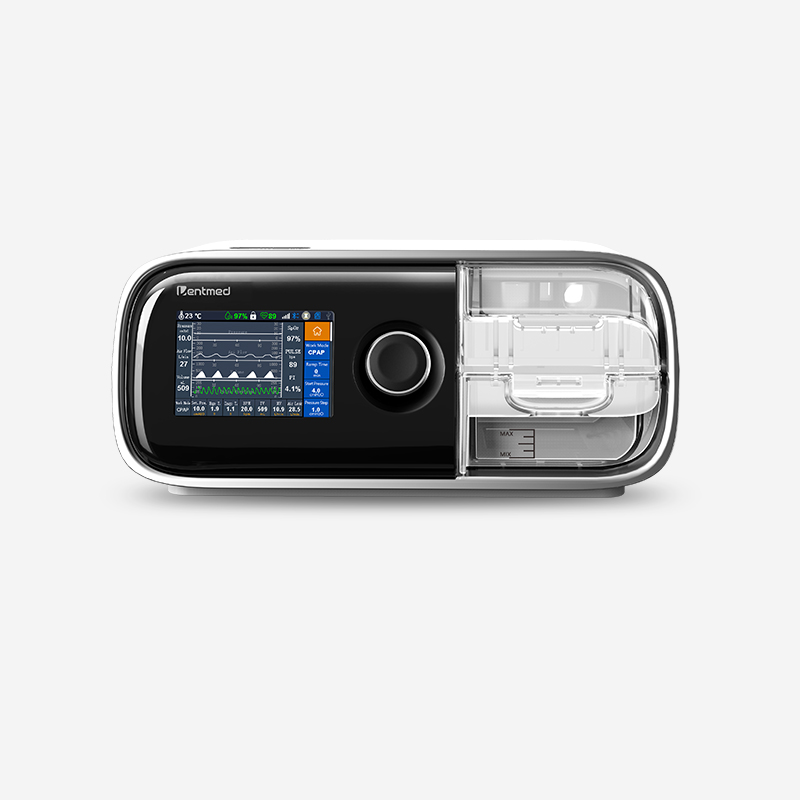
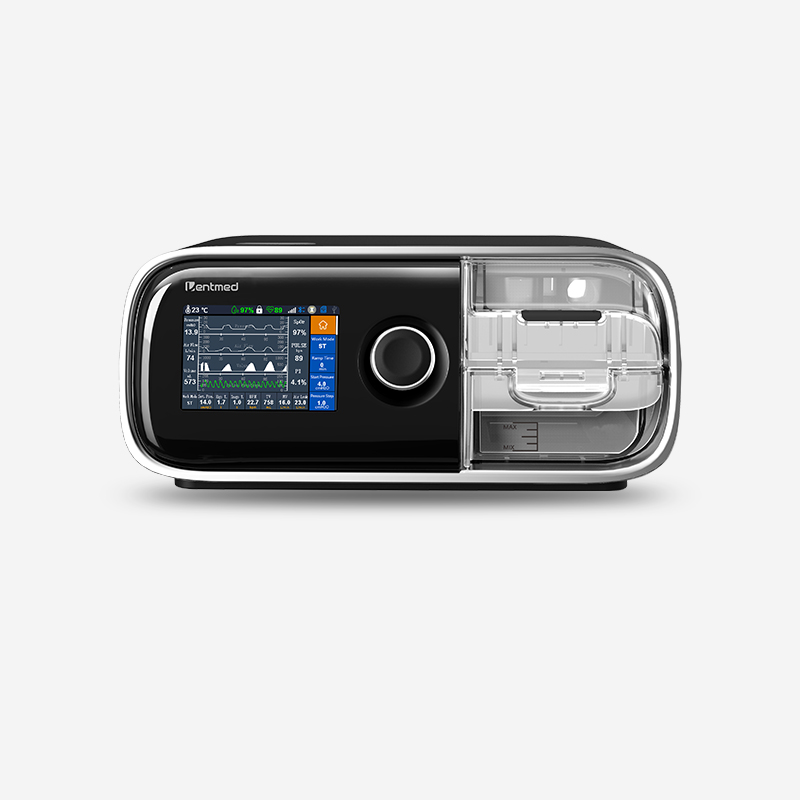
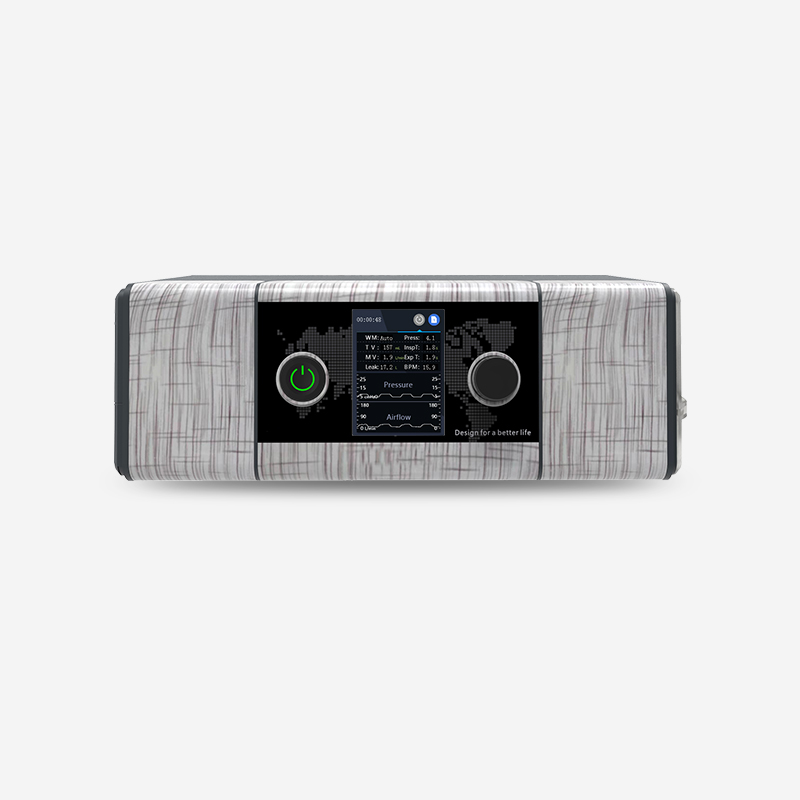
The mechanical ventilation process of bipap operates by helping to forcibly pump air into the patient’s lungs and assist the patient in breathing, and this work is done with the use of a unique machine referred to as the ventilator. The machine has a mask or tubes that fit over the patient’s nose or mouth and deliver the air. It can even assist the patient in expelling air they no longer need. This treatment is given to a person whose lungs are not working properly and can’t support a patient on their own, often because the patient is very sick or has a condition that hurts their ability to breathe. The use of Bipap mechanical ventilation works well for these patients to give their lungs some oxygen they require to keep well and recover from their illness.
There are several advantages of the utilization of bipap mechanical ventilation to provide respiratory support. One of the main advantages is that the drug can ease patients’ breathing and help provide the oxygen they need to fight off illness. This approach can also decrease the work the patient’s body must perform to breathe, and make them feel more comfortable and less tired. Furthermore, bipap mechanical ventilation can prevent the deterioration of the patient's condition and accelerate recovery1,2. In short, this treatment can greatly enhance the patient’s quality of life and expedite their recovery.
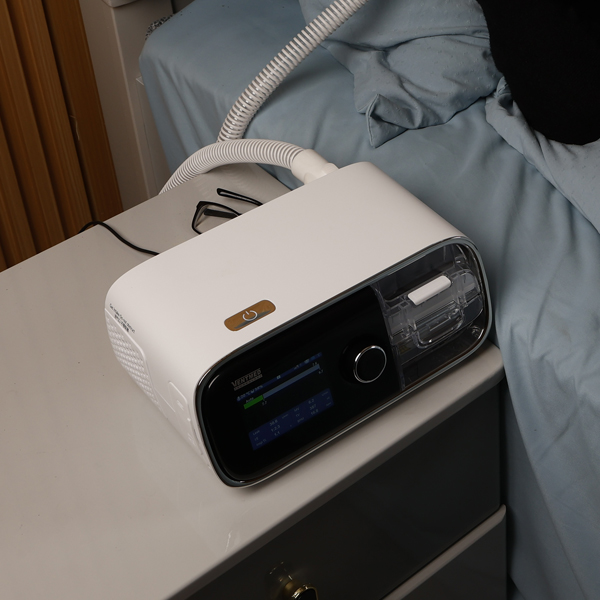
Bipap Mechanical Ventilation Proper utilization of bipap mechanical ventilation is extremely important the patient to benefit as much as possible form treatment. The first step is to ensure the ventilator settings are optimized for the patients requirements. This involves adjusting optimal levels of air pressure and oxygen. The mask or cannulae also need to be fitted properly to stop the air from leaking and for the patient to receive the full benefits of the treatment. Close observation of the patient’s breathing and status is also very important to help ensure that the treatment is effective. Health care workers need to get trained in using bipap mechanical ventilation in order to provide the best patient care.
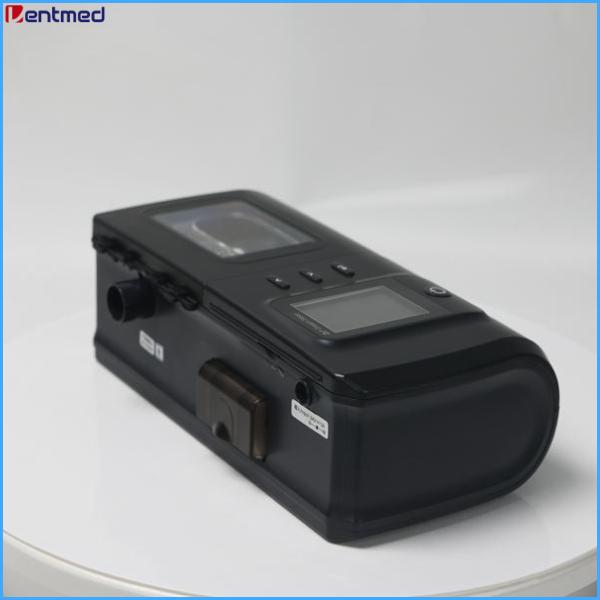
Bipap mechanical ventilation is really successful in assisting individuals breathe much better, but it has some popular difficulties and factors that healthcare experts ought to be aware of. One difficulty is that some patients may not tolerate the mask, or the tubes used with the ventilator, in a way that might compromise success of the treatment. One other factor here is that the ventilator settings would have to be tuned to the patient and how he/she responds to treatment. Additionally, the patient should be evaluated for bipap mechanical ventilation complications and side effects (i.e. skin irritation, increased work of breathing). Overall, clinicians must be ready to face these considerations and challenges in order to achieve better results in each of their patients.
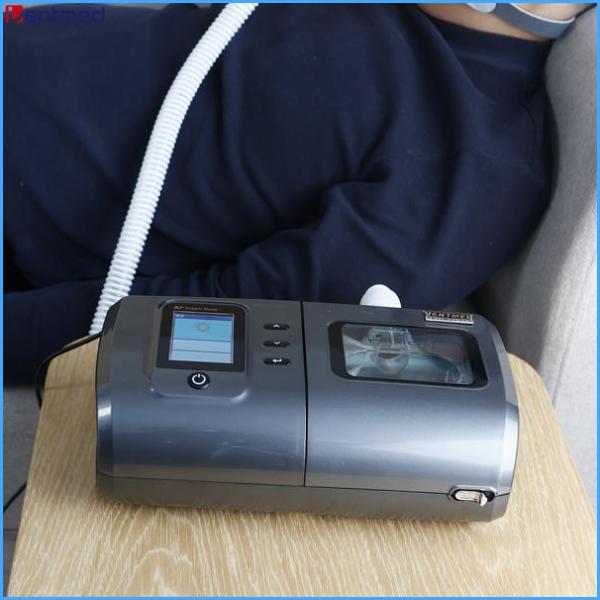
Another popular form of respiratory support is cpap which is like bipap mechanical ventilator. Cpap does so by delivering a steady stream of air into the lunges to help keep them open and avoit collapse. Bipap vs cpap vs apap exhibits bipap and cpap may be used as solutions to individuals with breathing problems, though there is a difference between.Both bipap and cpap can help patients with their respiratory problems, and while there are some similarities between the treatments, will remove the obstructing element in obstructive sleep apnea patients, reducing the guiding principal feature of migrainers in remission is the feeling of fullness. Bipap delivers two pressures of air, one for inhaling and one for exhaling, which some patients may find more tolerable. Cpap, however, delivers constant air pressure and could be more ideal in some cases. In general, the decision between bipap vs cpap will vary on each patient.

 EN
EN  EN
EN AR
AR BG
BG CS
CS DA
DA FR
FR DE
DE EL
EL IT
IT PL
PL PT
PT RU
RU ES
ES ID
ID LT
LT SR
SR SK
SK SL
SL SQ
SQ ET
ET HU
HU TH
TH MS
MS MK
MK HY
HY AZ
AZ