Home > showlist
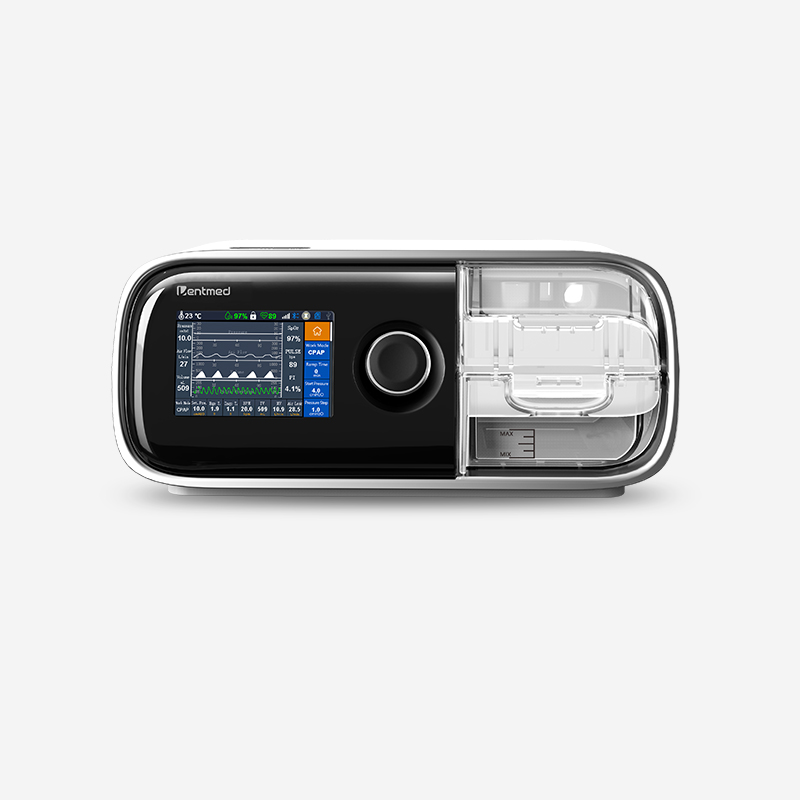
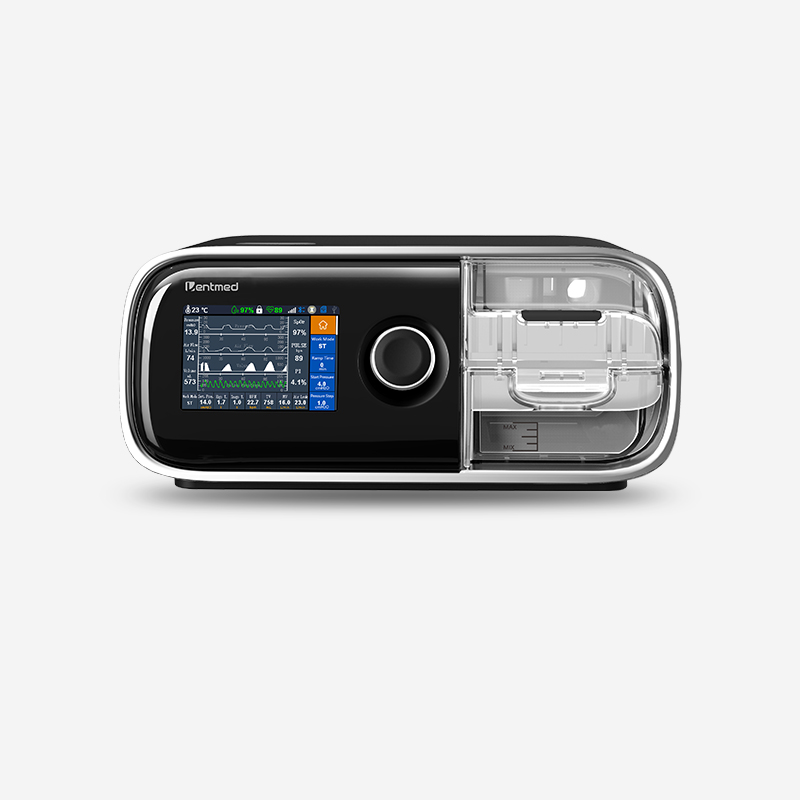
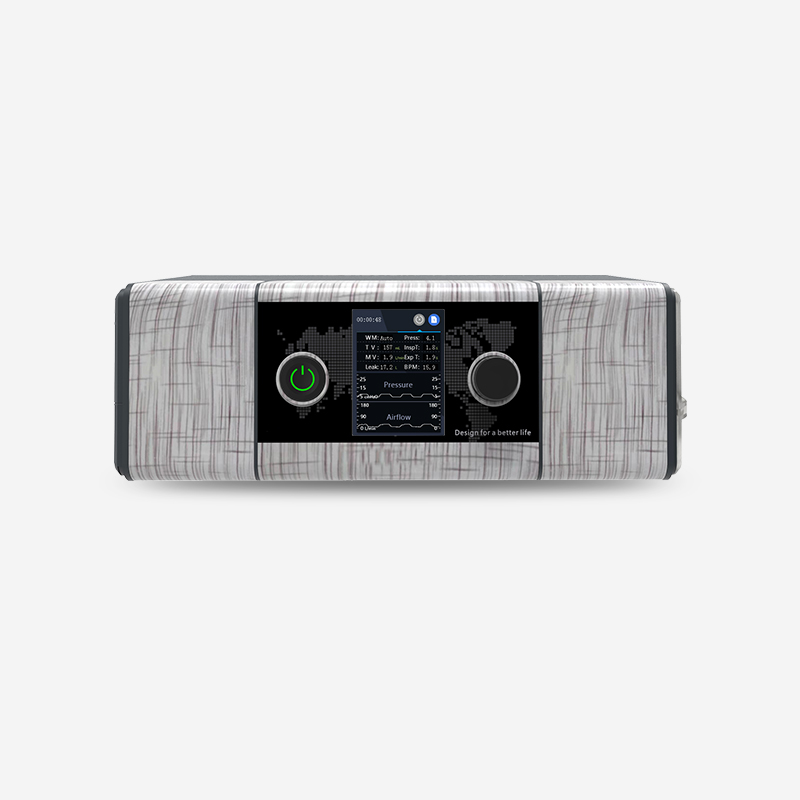
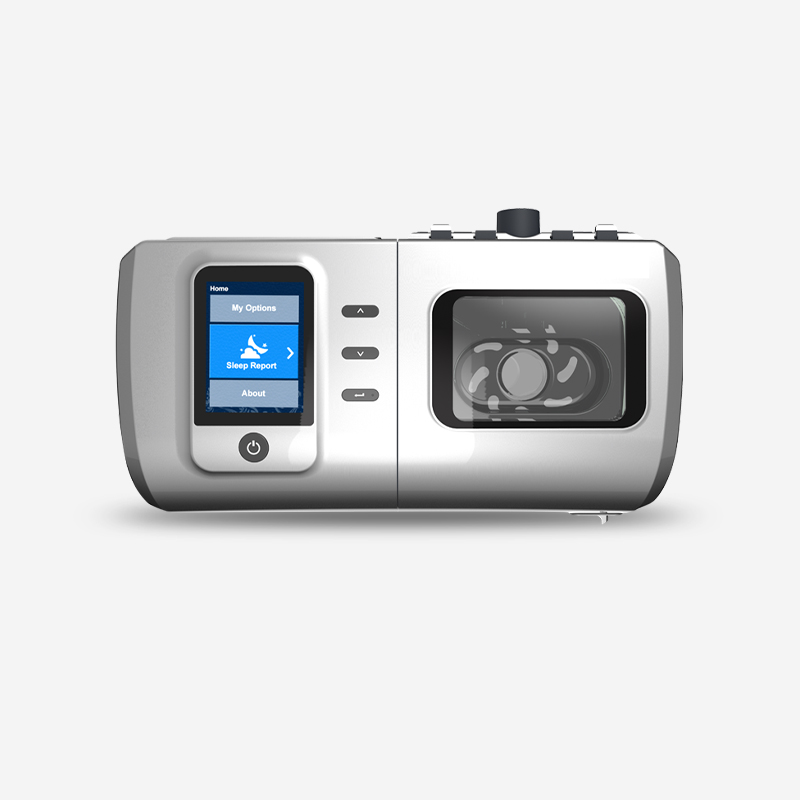
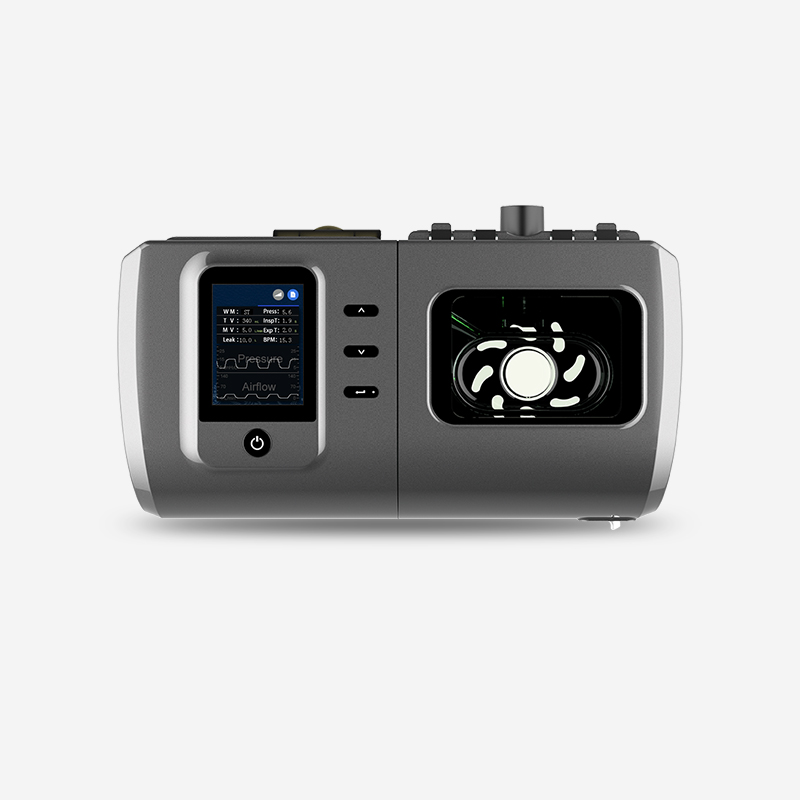
Noninvasive mechanical ventilation (NIMV) NIMV has been introduced as a non invasive ventilation modality in place of other traditional methods, which could exert remarkable benefit to the end-point patients. “In addition, for those prospective patients wishing they didn’t need to go under the knife to breathe freely, this innovation, combined with Ventmed will ensure it’s not necessary”. So let’s learn what that is, what the benefits are and how it can help elevate the comfort and improve the results of our patients.’
Non-invasive ventilation is a non-damaging way to give help to patients with respiratory failure. And it can be life-saving, allowing them to get the oxygen they need without resort to more invasive options, like intubation. That means less pain for the patient and a faster recovery period. Through the use of Ventmed’s technology, patients will be at ease accepting the care they deserve.
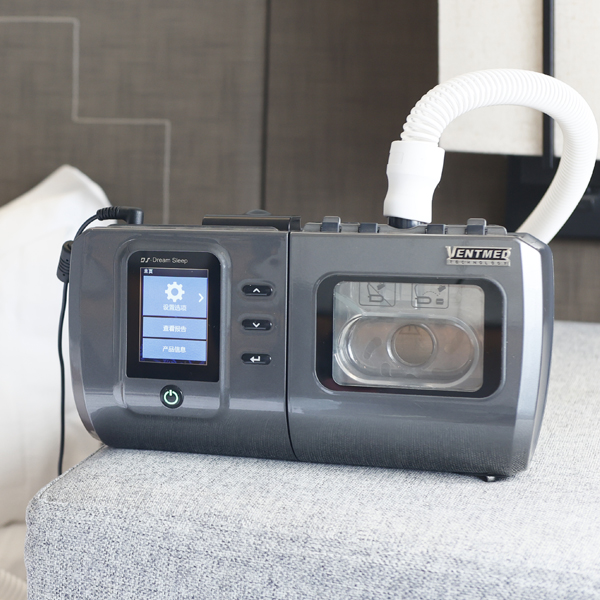
Furthermore, NIMV non invasive bipap could be used in various clinical scenarios. The technology provides support for patients who are struggling for a breath, whether with asthma, pneumonia or some other lung problem, Goodman said. The ventmed systems are variable and can be adjusted to the patient's individual needs. More specialized care, and likely better outcomes in the long run.
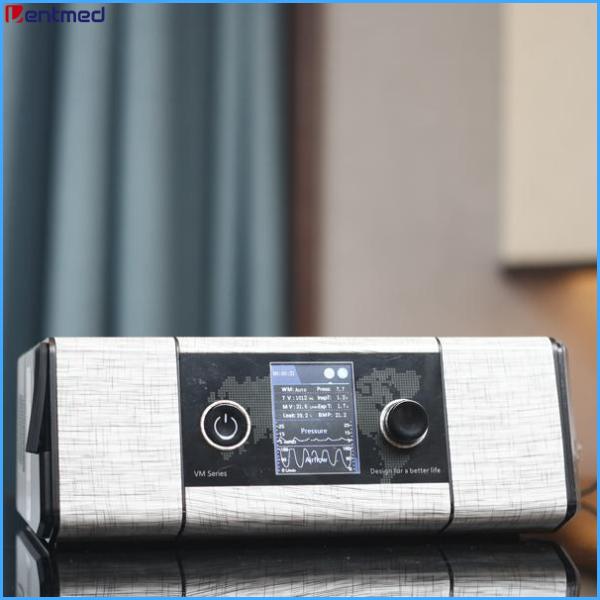
Non Finally invasive mechanical ventilation presents the advantage of being non invasive. There are no tubes or other equipment that interfere with what patients want to do in daily life. They can do much more with the ventmed technology, can be on the move, have more freedom of movement (and feeling). That, in turn, could enhance patients’ overall quality of life when they need respiratory aid.
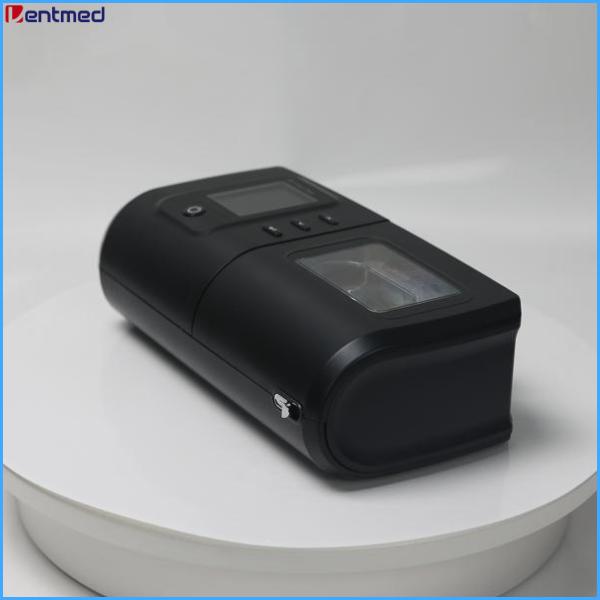
How does non invasive ventilation machine work you must know the concepts and uses of NIMV because it is very important. The general idea is to try and support the patient’s spontaneous breathing as best as one can without intubating them. Ventmed’s devices, which put gentle pressure to keep the airways open and make it easier to breathe. This can enable patients to get more oxygen without putting undue stress on their bodies.

 EN
EN  EN
EN AR
AR BG
BG CS
CS DA
DA FR
FR DE
DE EL
EL IT
IT PL
PL PT
PT RU
RU ES
ES ID
ID LT
LT SR
SR SK
SK SL
SL SQ
SQ ET
ET HU
HU TH
TH MS
MS MK
MK HY
HY AZ
AZ