Home > showlist
Polygraph devices are simply machines that record our physiological responses to questions. Some of these changes might include are heartbeat, how sweaty our hands get, and even how much we fidget. When we lie, the thought is that our bodies respond to it in a way that can be sensed by the polygraph device.
This is because polygraph testing attest to a belief that we do frequently give ourselves away unintentionally when we lie. Such responses are termed as “physiological reactions” and may include an increased heart rate, higher blood pressure or a difference in sweating rate. A polygraph examiner uses these measurements to determine if a person is being untruthful.
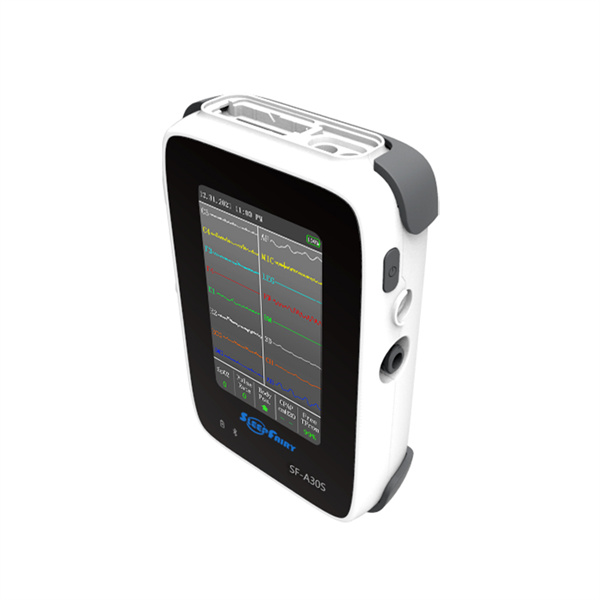
Though many have used polygraph device in the past to determine whether or not a person is lying, its accuracy is anything but perfect. Others can train to mask their physical responses, which can render the results of a polygraph test inconclusive. Which is exactly why the results of a polygraph are not always admissible as to evidence in court.
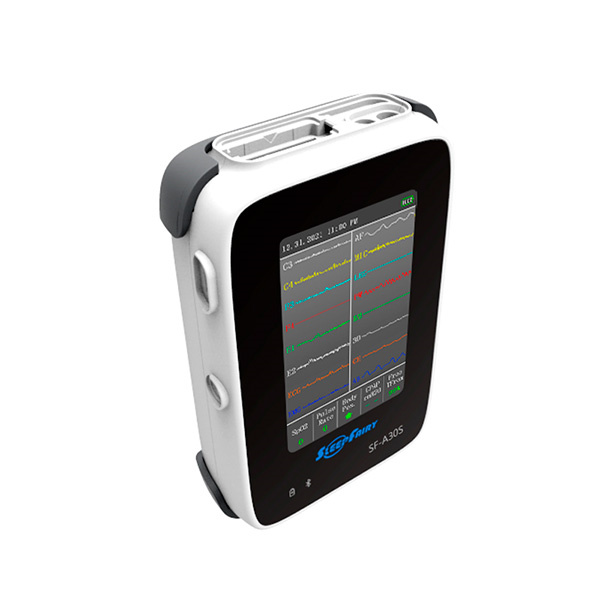
In the early 1900s, John Augustus Larson was said to have invented the polygraph device. In recent years the lie detector has evolved and improved — becoming more accurate. Academically, polygraph machines are employed by individuals such as law enforcement agents today to determine whether or not somebody is telling the truth.
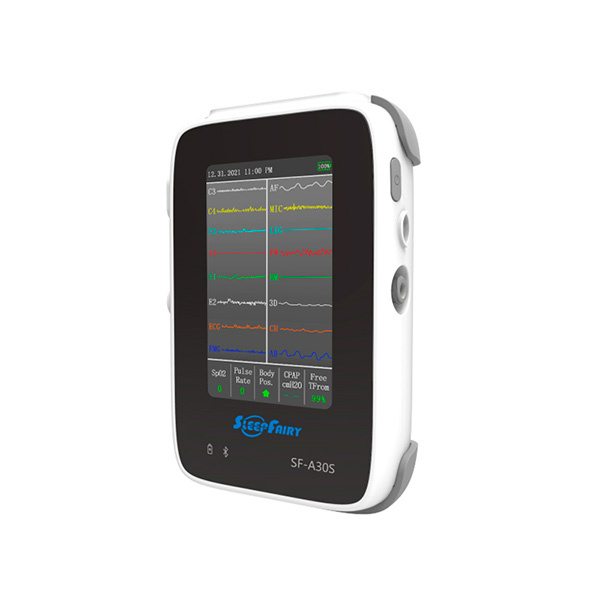
When you are subjected to a polygraph device one day, remember theseIBC: The first tip has to do with trying to relax, which will help you keep your nerves under control during the test. Second, each paragraph thoroughly to the gaining of fads listen and respond were more truthful in ways I couldnt make all the others. Lastly, We know that the results from a polygraph test aren't always infallible so it's best to tell the truth.

 EN
EN  EN
EN AR
AR BG
BG CS
CS DA
DA FR
FR DE
DE EL
EL IT
IT PL
PL PT
PT RU
RU ES
ES ID
ID LT
LT SR
SR SK
SK SL
SL SQ
SQ ET
ET HU
HU TH
TH MS
MS MK
MK HY
HY AZ
AZ