EN
EN  EN
EN AR
AR BG
BG CS
CS DA
DA FR
FR DE
DE EL
EL IT
IT PL
PL PT
PT RU
RU ES
ES ID
ID LT
LT SR
SR SK
SK SL
SL SQ
SQ ET
ET HU
HU TH
TH MS
MS MK
MK HY
HY AZ
AZPolysomnographic technology is a specialized type of testing that helps doctors understand how people sleep. If someone has difficulty sleeping or constantly feels tired, they may undergo a sleep study. This study examines what happens in the brain and body during sleep. The test monitors factors such as brain waves, heart rate, and breathing. By using this technology, doctors can identify sleep disorders. Ventmed is a company that develops tools and equipment for these studies. They design devices that are safe and easy to use, making it more convenient for doctors and patients to understand sleep-related issues.
What Is Polysomnographic Technology and Its Key Role in Sleep Studies?
Polysomnography (PSG) technology functions like a sleep investigator. It helps doctors observe what occurs while a person sleeps. It monitors various aspects, such as brain activity, breathing patterns, and muscle movements during rest. All of this takes place overnight in a comfortable environment. The data collected from the study is extremely valuable. It allows doctors to detect conditions like sleep apnea, where breathing stops briefly at intervals. It also assists in identifying insomnia, when someone struggles to fall asleep or remain asleep. Ventmed provides tools that simplify this process. For example, their equipment tracks sleep patterns without disturbing the individual. This allows patients to rest naturally while doctors gather accurate information. The results indicate whether a person gets enough deep sleep or wakes frequently. This helps doctors recommend appropriate treatments or lifestyle adjustments to improve sleep quality. 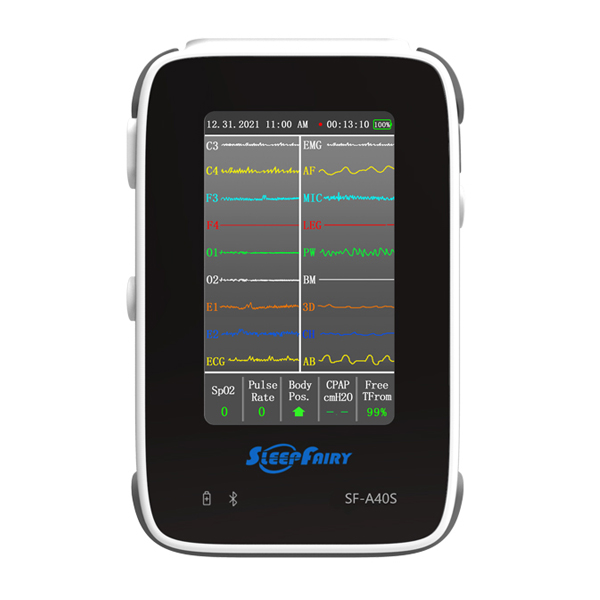
How Polysomnographic Technology Improves Sleep Monitoring?
Polysomnographic technology provides a comprehensive view of sleep quality. It does not simply indicate whether a person is awake or asleep; it also identifies different sleep stages. For instance, sleep consists of light and deep phases. Deep sleep is essential because it helps the body recover and restore energy. With Ventmed's advanced equipment, doctors can determine how much time is spent in each stage. If a person does not get enough deep sleep, it can result in daytime fatigue. This technology can also detect breathing irregularities during sleep. Many individuals are unaware that they wake up frequently at night. By analyzing the collected data, doctors can identify these disruptions and recommend solutions. These may include lifestyle changes, such as increased physical activity or dietary adjustments. In some cases, doctors may recommend breathing support devices. Therefore, this technology not only identifies problems but also guides effective ways to improve sleep, helping individuals feel more energized during the day.
What to Know About It?
Polysomnographic technology is a method used to evaluate sleep. It helps doctors understand sleep patterns and detect potential issues. This technology monitors multiple factors during rest. For example, it measures brain waves, heart rate, breathing, and body movements. This information enables doctors to understand what happens throughout the sleep cycle. When visiting a sleep clinic, patients typically undergo Polygraph (PG) , also known as a sleep study. During the test, sensors are placed on the body. These sensors transmit data to a computer that records activity throughout the night. The patient sleeps in a comfortable room, and the procedure is usually completed overnight. It is important to have a quiet, dark environment to support natural sleep. Results can reveal conditions such as sleep apnea, where breathing repeatedly stops for short periods. Understanding sleep is important because it directly affects daily well-being. At Ventmed, we believe everyone deserves quality rest, and our technology helps make that possible.
What Innovations Are Advancing Polysomnographic Technology?
Polysomnographic technology continues to evolve with new innovations and advancements. One significant development is the improvement of sensor technology. Modern sensors are smaller and provide more accurate data, allowing doctors to gain clearer insights into sleep patterns. In the past, sleep study equipment was large and complicated. Today, newer solutions include portable and home-based devices. These allow individuals to conduct sleep studies at home instead of in a clinic. Sleeping in a familiar environment can improve comfort and lead to more natural results. Another important advancement is the use of software and mobile applications for data analysis. These tools can track sleep habits and provide personalized recommendations. For example, they may suggest adjustments to bedtime routines or improvements to the sleep environment. At Ventmed, we are proud to support these advancements by making sleep studies more accessible. The goal is to help more people understand their sleep health and take steps to improve it. As technology continues to progress, even more effective methods for studying sleep are expected to emerge. 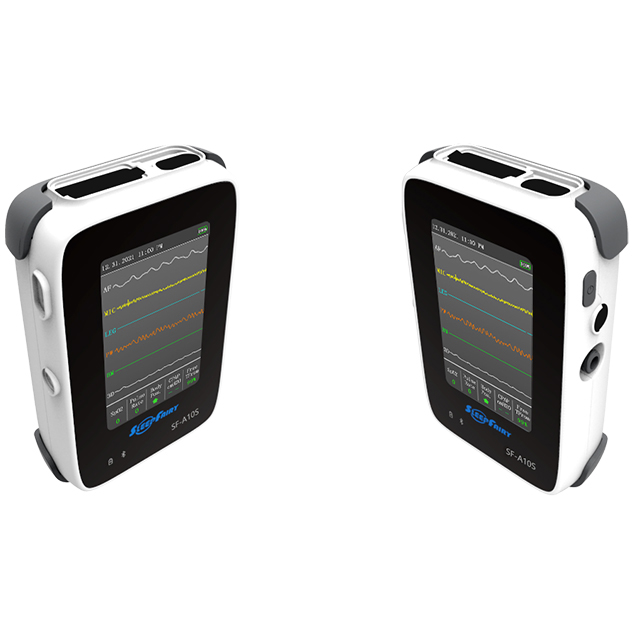
How Polysomnographic Technology Helps Identify Sleep Disorders?
Polysomnographic technology plays a critical role in diagnosing sleep disorders. These conditions can make it difficult to rest properly, affecting both health and daily activities. By using polysomnography, doctors can observe exactly what happens during sleep. This enables them to identify specific problems accurately. For example, if a person experiences loud snoring or persistent daytime fatigue, a sleep study can determine whether sleep apnea is present. The data will show if breathing stops or oxygen levels drop during the night. Another common issue is insomnia, which involves difficulty falling asleep or staying asleep. Polysomnography can reveal sleep patterns that indicate this condition. 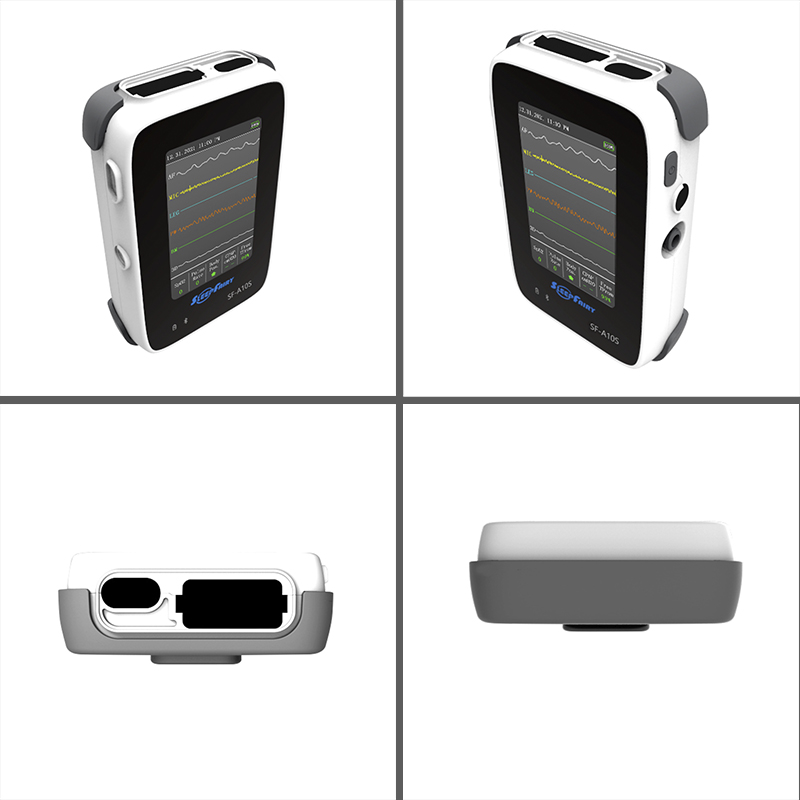 Identifying the type of sleep disorder is essential because it guides appropriate treatment. Solutions may include lifestyle changes, therapy, or the use of breathing devices. At Ventmed, we are committed to improving sleep health through reliable technology. Our equipment not only helps detect issues but also supports the development of effective treatment plans. With proper care and guidance, many people can achieve better sleep and improved daily functioning.

This is Nelson from Hunan Ventmed Medical Technology Co., Ltd. (trademark:VENTMED) which is a National High-tech enterprise based in China and engaged in the research, development, production and sales of non-invasive ventilators, sleep diagnostic devices and other medical equipment around the world. The company was founded in 2013 and R&D began in 2003, it is one of the earliest enterprises to develop sleep disorder therapy equipment in China.